
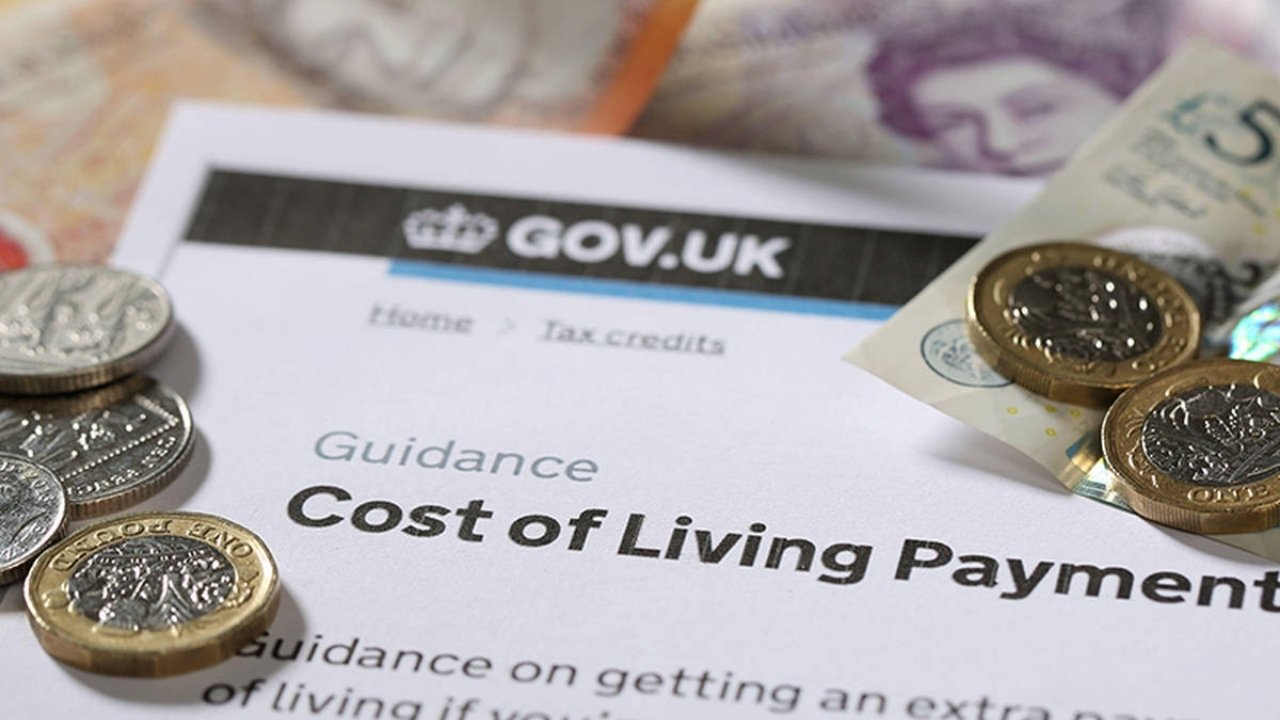
Many households across the UK are set to receive a £100 cost-of-living payment in December as part of continued financial support during the winter months. Rising food prices, higher energy bills, and everyday expenses have made budgeting difficult for many families, especially those on low or fixed incomes.
This December payment is designed to offer timely relief during one of the most expensive times of the year, with most eligible households receiving the money automatically.
Table of Contents
Why the £100 Cost of Living Payment Is Being Provided?

Despite some easing in inflation, the cost of essential goods and services remains high for many UK households. Energy bills continue to take up a large share of monthly income, particularly during winter when heating use increases. Food prices, while more stable than before, are still significantly higher than they were a few years ago.
For households already managing rent, council tax, and transport costs, these pressures often leave little room for unexpected expenses. December can be especially difficult, as winter utility use rises alongside seasonal spending needs.
Government Efforts to Provide Targeted Support
The £100 payment forms part of broader government measures aimed at protecting vulnerable households from financial hardship. Instead of long-term increases to benefits, these one-off payments are intended to provide immediate, practical help during peak pressure periods.

By focusing support around winter, the payment aims to reduce stress at a time when households are most likely to struggle with heating, food, and basic living costs.
What the £100 Cost of Living Payment Covers?
The £100 cost of living payment is flexible and can be used in any way that supports household needs. There are no restrictions on how the money is spent, allowing families to prioritise their most urgent expenses.
For many households, this payment may help cover higher electricity and gas bills caused by colder weather. Others may choose to use the money to help with food shopping, household essentials, or transport costs during the busy winter period.

Some families may also use the payment to reduce short-term debt or prevent missed payments on essential bills. The aim is to provide breathing space rather than long-term financial change.
Who Is Expected to Receive the Payment?
The £100 cost of living payment is mainly intended for households already identified as needing financial support. This usually includes people receiving income-related benefits or other qualifying assistance.
Eligibility is based on existing records, so most households do not need to apply. Payments are expected to be made automatically, helping the money reach people without delay.
Those who qualify will receive the £100 through their usual payment method, such as:
- Direct payment into the bank account used for benefits
- Payment through the normal tax credit system
Eligible households should check their regular payments during December to confirm the money has been received.
How This Payment Connects to Other Winter Support
This £100 payment does not replace other winter support schemes already in place. Instead, it works alongside existing programmes designed to help households manage higher seasonal living costs.
Many families may be eligible for more than one type of assistance, depending on their circumstances and where they live.
Alongside the £100 payment, many households may also receive help through their local council. Councils manage separate funding that allows them to offer additional support such as cash payments, vouchers, or help with energy and food costs.
In some areas, councils provide £100 vouchers or similar payments around Christmas to help households cope with seasonal expenses. These offers can vary depending on where a person lives and the level of funding available.
Some households may qualify for more than one type of support. While the £100 cost of living payment is national, additional help may be available locally depending on household circumstances.
Local schemes often focus on families with children, pensioners, disabled individuals, or people facing sudden financial difficulties. Checking with local authorities can help households understand what extra support may be available to them.
When will the £100 Payment be paid?
The £100 cost of living payment is expected to be paid in December, giving households access to funds before Christmas and during peak winter energy use.
Payments are expected to appear automatically in bank accounts, usually under a clear payment reference. Households are advised to check their bank statements regularly throughout December.
There is no need to contact payment offices unless the money does not arrive by the end of the expected payment window.
Important Things Households Should Know
The £100 cost of living payment is a one-off support measure and does not affect existing benefits. It is not taxable and does not reduce entitlement to other payments.
Because the payment is automatic, households should be cautious of scams or messages asking for personal details. Official payments do not require confirmation by text or email.
Anyone unsure about eligibility should check their current benefit status or contact their local council for further guidance on available support.
What does This Payment mean for Households This Winter?
The £100 December cost of living payment may not solve long-term financial challenges, but it can make a meaningful difference during a demanding period of the year.
For households facing high heating bills, rising food costs, and general winter expenses, this support provides short-term relief and added financial stability.
Combined with local council assistance and other support schemes, the payment reflects continued efforts to help households manage ongoing cost pressures during the winter months.