
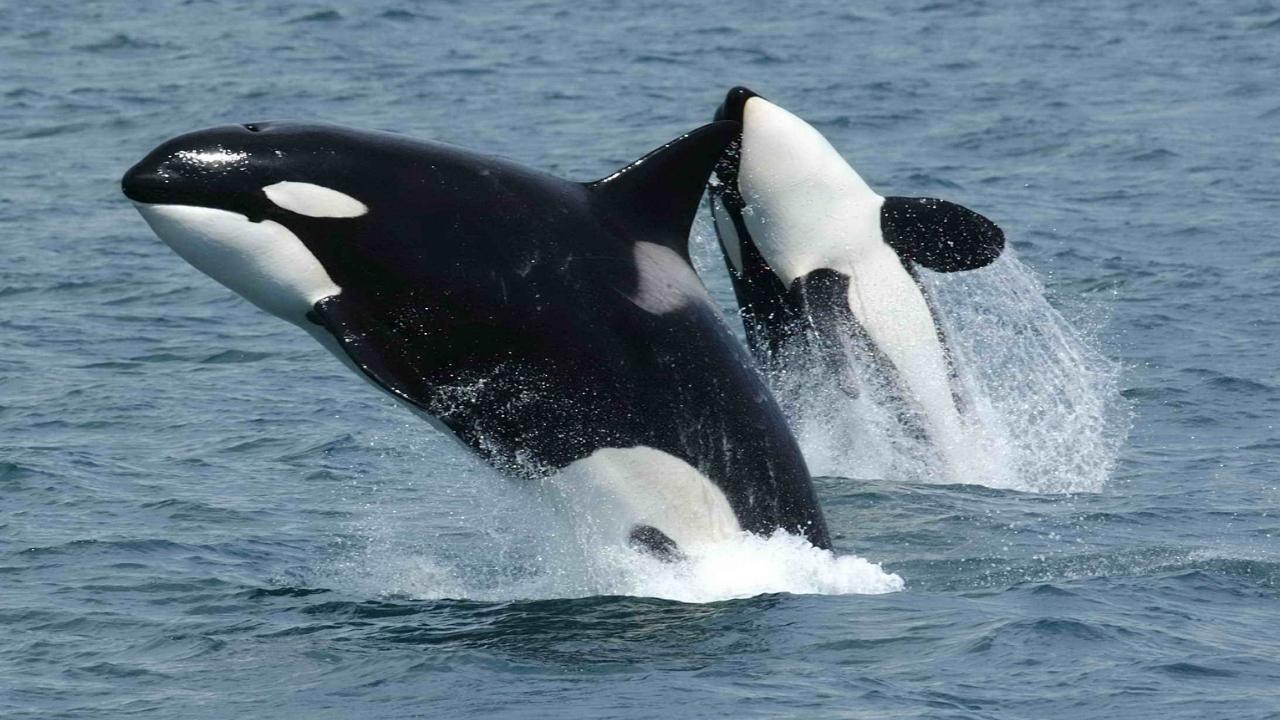
Greenland has declared an emergency after scientists observed orcas swimming and jumping dangerously close to melting ice shelves. These sightings happened in areas that were once covered by thick sea ice for most of the year. Researchers say this behavior is highly unusual and points to serious changes in the Arctic environment.
The ice shelves along Greenland’s coast are melting faster than expected, opening up waters that were previously frozen. As the ice breaks and retreats, large marine animals like orcas are now able to move into these newly exposed areas. This has raised concerns among scientists who monitor climate and wildlife patterns.
For local communities, the sight of orcas near unstable ice is alarming. Elders and fishermen say they have never seen such conditions before. What was once solid ice is now fragile, and the presence of these powerful predators highlights how quickly the Arctic is changing.
Table of Contents
What Led to Greenland’s Emergency Declaration?
Greenland’s emergency declaration comes after clear signs of accelerated ice melting. Scientists have recorded higher ocean temperatures and earlier ice breakups across several regions. Ice shelves that normally remain stable well into the colder months are now cracking and collapsing much sooner.
These changes are not happening slowly. In some fjords, ice has thinned so much that open water appears where solid ice once blocked access. This sudden shift creates unsafe conditions for both wildlife and people who rely on predictable ice patterns.
Orcas usually stay away from heavily iced areas because they need open water to hunt and move freely. Seeing them so close to Greenland’s ice shelves suggests that the ice barrier is no longer doing its job. Scientists view this as a warning sign that the Arctic ecosystem is under stress.
Their appearance also means that prey animals, such as seals and smaller whales, are changing their routes. When predators follow prey into new areas, it shows that the entire food chain is being affected by warming temperatures.
What Researchers Observed on the Ground
The unusual presence of orcas near Greenland’s melting ice has led scientists to closely examine what is happening on the ground. These observations are helping researchers understand how quickly the Arctic environment is changing and why the situation has become a serious concern.
Researchers saw orcas swimming and breaching just meters from unstable ice shelves. In some areas, large chunks of ice broke off and fell into the sea while the whales stayed nearby. These situations are dangerous because collapsing ice can create strong waves and sudden underwater movement.
Scientists explained that this would not have happened in the past. Thick, solid ice once blocked access to these areas, but melting ice now allows orcas to move into places that were previously unreachable.
Main risks observed included:
- Sudden ice collapses
- Strong waves from falling ice
- Unsafe conditions for wildlife and research teams
After the sightings, scientists increased monitoring along Greenland’s coastline. They are closely tracking ice movement, water temperatures, and orca behavior to understand how quickly conditions are changing.
Key focus areas include:
- Ice stability
- Ocean warming
- Changes in whale movement
Local residents have also reported louder ice cracking sounds and unusual animal activity. Combined with scientific data, these observations help researchers better understand the rapid changes happening in the region.
Changing Daily Life in Greenland
Many communities in Greenland depend on sea ice for travel, fishing, and hunting. As ice becomes thinner and less predictable, traditional routes are becoming unsafe. People are being forced to change how and when they move across the land and sea.
The arrival of orcas in these areas adds another layer of concern. While the whales themselves are not the direct threat, their presence signals unstable conditions that could put lives at risk.
Loss of Natural Stability
Residents say the ice no longer behaves as it once did. Sudden breaks and early melting make planning difficult. What used to be a reliable part of life is now uncertain, and this uncertainty is growing each year.
Why This Matters Beyond Greenland?
Greenland’s melting ice does not only affect the Arctic. As ice melts, it contributes to rising sea levels worldwide. Coastal cities far from Greenland could face increased flooding and erosion in the future.
Changes in Arctic waters can also influence global ocean currents, which play a role in regulating weather patterns. What happens in Greenland can impact climates across continents.
Orcas as a Sign of a Bigger Problem
Orcas appearing near melting ice shelves are not just a wildlife story. They are a visible sign of how climate change is reshaping natural systems. When top predators move into new areas, it means the environment they depend on has already changed. Scientists say these sightings should be taken seriously, as they reflect deeper problems that are becoming harder to ignore.